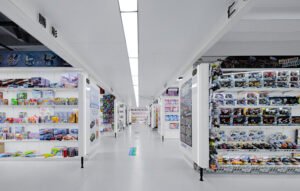
Toys have undergone a remarkable transformation across centuries. What began as simple objects crafted from nature’s materials has evolved into sophisticated, high-tech companions that offer children a window into expansive digital worlds. This evolution mirrors broader societal shifts—from industrialization to the digital revolution—each wave reshaping the landscape of play. Today, toys transcend mere amusement; they are vital tools that spark creativity, cultivate intelligence, and develop problem-solving abilities.
In this article, we explore the “gorgeous transformation” of toys from the perspective of a toy supplier and manufacturer. We’ll trace their journey from humble, functional beginnings to becoming “high-end” tools with connected intelligence, witnessing the leap from primitive simplicity to cutting-edge technology.
Early Toys (Pre-1900): The Handmade Era
Before mass production, toys were intimate “handicrafts,” lovingly made by family members or local artisans. Utilizing materials like wood, clay, cloth, and metal, these toys were simple in form and function, yet played a profound role in child development.
-
Puppet Dolls: Among the earliest toys, these handmade figures helped children understand social roles and narratives, fueling imagination through unstructured play.
-
Rocking Horses: Popular since the 16th century, wooden rocking horses provided joy while subtly developing a child’s balance and coordination.
-
Spinning Tops & Toy Carts: These encouraged outdoor play, physical activity, and honed hand-eye coordination.
Though not formally educational, these early toys laid the groundwork for motor skills, role-playing, and social interaction. As a toy manufacturer, we honor these timeless designs. Our modern baby toys blend this classic appeal with contemporary safety standards, offering tactile play benefits to new generations.
Industrial Revolution & Mass Production (1900s–1950s)
The Industrial Revolution democratized play. Toys transitioned from home crafts to affordable, widely available goods, marking the dawn of the modern toy industry.
-
Tin Soldiers & Wind-Up Toys: These introduced mechanical interaction, allowing for more complex “pretend play” scenarios.
-
Barbie (1959): A cultural icon, Barbie revolutionized play for girls by offering a canvas for exploring diverse careers and lifestyles.
-
Monopoly: This board game giant brought strategic thinking into the home, sharpening math, negotiation, and problem-solving skills.
The advent of battery-powered toys and early plastics opened new frontiers. This era also saw the rise of advertising and branding. As a toy supplier, our approach is informed by this period’s legacy of scalable production, ensuring high-quality, market-ready products that help clients build strong brands through innovative design.
The Plastic Age & Toy Innovation (1960s–1980s)
Plastics revolutionized toy design with their versatility, durability, and low cost. This era birthed iconic brands that remain pillars of creative play.
-
LEGO: Its interlocking brick system championed open-ended, creative construction, blurring the line between toy and educational tool.
-
Hot Wheels (1968): These detailed, collectible cars ignited passions for engineering, competition, and storytelling.
-
Action Figures (G.I. Joe, Star Wars): Toys evolved into cultural artifacts, driving narrative play and collectibility.
This period cemented toys as tools for fostering creativity, problem-solving, and role-play. As a toy manufacturer, we continue this legacy by producing building sets and action figures that prioritize safety, durability, and developmental value.
The Digital Dawn (1990s–Early 2000s)
Technology became seamlessly integrated into play. Electronic games rose to prominence, and interactive toys created novel blends of physical and digital entertainment.
-
Tamagotchi (1997): This virtual pet craze taught a generation about responsibility and care through digital interaction.
-
Furby (1998): An early pioneer in responsive AI, Furby could “learn” and interact using voice recognition.
-
LeapFrog: Products like the LeapPad fused education with digital fun, creating interactive learning platforms.
During this shift, we began incorporating sensors and basic electronics into our designs, paving the way for more responsive and engaging toys.
The Present & Future: High-Tech & Hyper-Personalization (2010s–Today)
Today’s toys are immersive platforms integrating AI, robotics, and augmented reality (AR). They are designed to entertain while developing STEM skills, creativity, and emotional intelligence.
-
Cozmo Robot (2016): An AI-powered robot with emotive expressions that introduces children to programming concepts.
-
Sphero (2010): A programmable, app-controlled robot ball that makes coding tangible and fun.
-
AR Toys (e.g., Osmo): These merge physical and digital play, creating interactive learning adventures.
Modern toys can “learn” from user interaction, offering personalized experiences. As a contemporary toy supplier and manufacturer, we integrate these cutting-edge technologies into our latest AI-driven products. We foresee virtual reality (VR) and advanced AI taking immersive, personalized play to unprecedented levels.
Conclusion
From carved wooden figures to intelligent robots, the evolution of toys is nothing short of spectacular. They have grown from simple pastimes into essential instruments for creativity, education, and social development. The history of toys is a vibrant reflection of technological progress, pedagogical shifts, and cultural change.
The future promises even more personalized, interactive, and immersive play experiences. Whether a simple doll or a complex robot, the enduring magic of toys lies in their unique power to shape how children learn, grow, and imagine.
Witnessing this rapid evolution firsthand as a leading toy supplier and manufacturer, we are propelled by both excitement and expertise. Our professional team continuously guides our direction, allowing us to expand our product lines and categories in sync with the latest trends. Most importantly, we provide customized toy solutions to address every challenge in the toy industry.
Luistoys OEM Manufacturer creates custom toy solutions for a global client. With an independent design team, manufacturing expertise, and deep collaborations with specialized factories, we guide your vision from concept to creation, tailor-making toys that bring your ideas to life.