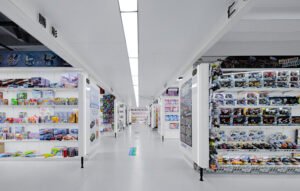

The plush toy business is a delightful and nostalgic industry, but it’s also a highly competitive and complex one. Whether you’re a hobbyist looking to turn a passion into profit or an entrepreneur exploring a new venture, here is a comprehensive breakdown of the knowledge you should know.
1. The Three Main Business Models
Your first critical decision is how you will operate in the market.
-
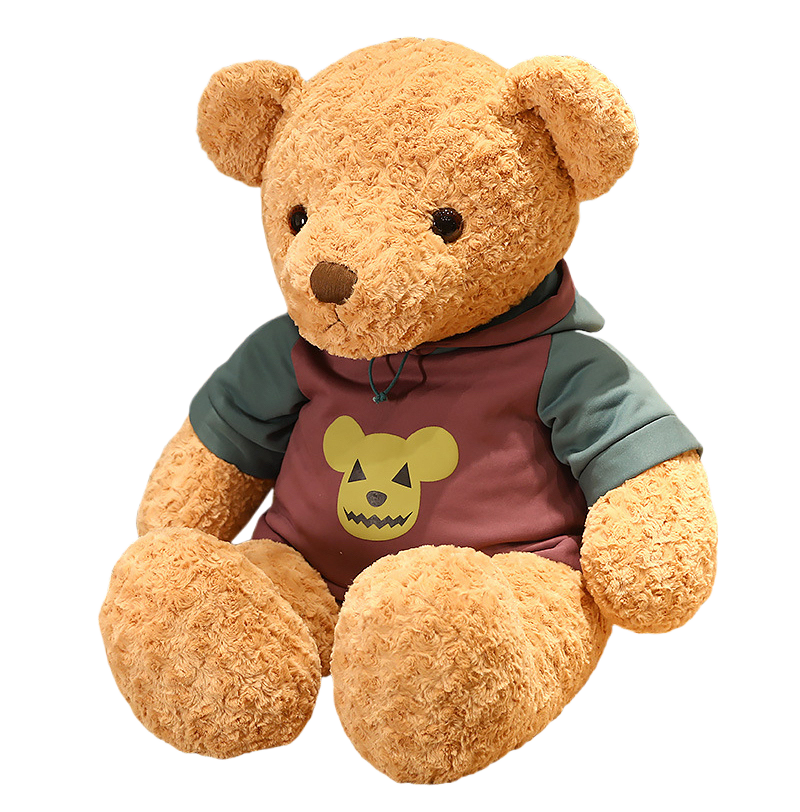
A. Designing & Manufacturing (The Creator):
-
What it is: You create original designs, source materials, manage production (often overseas), and sell in bulk to retailers or directly to consumers.
-
Pros: Highest potential profit margins, full creative control, you build a brand.
-
Cons: Highest risk and upfront cost (molds, minimum order quantities), most complex logistics (shipping, import duties, quality control).
-
-
B. White-Labeling & Customization (The Customizer):
-
What it is: You purchase generic, pre-made plush toys from a manufacturer and then add your own branding, prints, or small accessories.
-
Pros: Lower startup cost and risk, faster to market, easier to test ideas.
-
Cons: Less unique, competing with many others doing the same, limited creative control, lower margins.
-
-
C. Retail & E-commerce (The Curator):
-
What it is: You purchase finished plush toys from various brands or wholesalers and sell them in a physical store or, more commonly, online (e.g., on Etsy, Shopify, or Amazon).
-
Pros: Lowest barrier to entry, no manufacturing headaches, can quickly adapt to trends.
-
Cons: Lowest profit margins, highly competitive, you are dependent on your suppliers’ stock and quality.
-
2. The Crucial Steps of Design & Manufacturing
If you choose the “Creator” path, this is your core process.
-
Concept & Design: Start with a strong, unique idea. Consider your target audience (e.g., children, collectors, gamers, pet owners). Create detailed sketches from multiple angles.
-
Prototyping & Sampling: This is non-negotiable. You will provide your design to a manufacturer who will create a physical sample. Expect to go through several rounds of revisions to perfect the fabric, stuffing, colors, and safety.
-
Finding a Manufacturer:
-
Overseas (e.g., China, Vietnam): Lower costs, but requires careful vetting for quality and ethical practices. Use platforms like Alibaba or attend trade shows. Always, always get samples and conduct a factory audit if possible.
-
Domestic (USA, EU): Higher costs, but easier communication, faster turnaround, and often perceived as higher quality. Better for smaller batches.
-
-
Materials & Safety:
-
Fabrics: Common ones include polyester (short pile “plush”), acrylic, and cotton. Minky fabric is very popular for its softness.
-
Stuffing: Usually polyester fiberfill. The density (soft vs. firm) is a key design choice.
-
Safety: This is paramount, especially for toys marketed to children. You MUST comply with safety standards in your country (e.g., CPSIA/ASTM F963 in the US, EN71 in the EU, ISO 8124 internationally). This involves testing for lead, phthalates, flammability, and ensuring parts like eyes are securely attached (choking hazard).
-
-
Minimum Order Quantity (MOQ): Manufacturers require a minimum number of units per order. This can range from a few hundred to several thousand. High MOQs are the biggest financial hurdle for startups.
3. How to Find Plush Toys Manufacturer Supply? Through Luistoys
For buyers unfamiliar with China’s market, working with a sourcing agent like Luistoys is the best choice. Luistoys provides:
-
Access to verified plush toy manufacturers.
-
Sample development and customization.
-
Quality control and compliance with EU/US standards.
-
Quality control and compliance with EU/US standards.
-
This one-stop solution helps global buyers reduce risks and focus on growing their business.
4. The Financial Realities
-
Startup Costs: Can range from a few thousand dollars (for retail/white-label) to tens of thousands (for full-scale manufacturing). Key costs include:
-
Prototyping & sampling fees
-
Mold/tooling costs (for unique shapes)
-
Material costs and manufacturing deposit (usually 30-50%)
-
Shipping and import duties (often forgotten!)
-
Business registration, website, and marketing
-
-
Pricing Your Product: Do not just guess. A common formula is:
(Cost of Goods Sold (COGS) + Labor + Overhead) x (2 - 4) = Wholesale Price
Wholesale Price x (2 - 2.5) = Retail Price (MSRP)-
COGS includes the unit cost, shipping, and duties.
-
The multiplier (“keystone” is 2x) ensures you cover all your business expenses and make a profit.
-
5. Marketing & Branding: Standing Out in a Cuddly Crowd
You can’t just sell a “cute bear.” You need a story.
-
Find Your Niche: The most successful small plush businesses are hyper-focused.
-
Examples: Anime-inspired “chibi” characters, ultra-realistic animal replicas, plush versions of obscure animals, sensory toys for autism, giant “jumbo” plush.
-
-
Build a Brand Story: Why did you create this plush? What world does it live in? A compelling story creates an emotional connection.
-
Leverage Social Media: Instagram, TikTok, and YouTube are visual powerhouses for this industry. Show behind-the-scenes content, the prototyping process, and “satisfying” videos of the plush being made or played with.
-
E-commerce is Key: A beautiful, easy-to-navigate website (using Shopify or WooCommerce) is essential. High-quality photos from multiple angles and in different settings are a must.
-
Consider Crowdfunding: Platforms like Kickstarter are perfect for the plush business. They allow you to validate your idea, build hype, and fund production without taking on debt or giving up equity.
6. Legal & Logistical Must-Knows
-
Business Structure: Form an LLC (Limited Liability Company) or similar entity to protect your personal assets from business debts and lawsuits.
-
Intellectual Property (IP): This is a minefield.
-
Protect Your Own IP: Copyright your original character designs and trademark your brand name/logo.
-
Respect Others’ IP: Never create plush based on existing characters (Disney, Nintendo, etc.) without a licensing agreement. This is copyright infringement and will result in legal action and your products being seized.
-
-
Insurance: Get product liability insurance. If a child chokes on a button that falls off your toy, you need to be protected.
7. Key Takeaways & Final Advice
-
Start Small & Validate: Don’t order 5,000 units of your first idea. Start with a small batch, sell at a local market or online, and see if people actually open their wallets.
-
Quality is Your #1 Feature: A soft, well-made, and safe plush will get repeat customers and good reviews. A cheap, poorly made one will kill your reputation.
-
The Sample is Your Best Friend. Never skip the sampling process. A perfect sample doesn’t guarantee a perfect production run, but a bad sample guarantees a disaster.
-
It’s a Business, Not Just a Hobby. Approach it with a business mindset from day one. Keep detailed records, understand your numbers, and plan your marketing.
The plush toy business can be incredibly rewarding, allowing you to bring joy and comfort to people of all ages. By understanding the landscape and planning carefully, you can turn your cuddly concept into a successful enterprise.